


News
The Power of Nature in Flood Management
An update on our Natural Flood Management projects
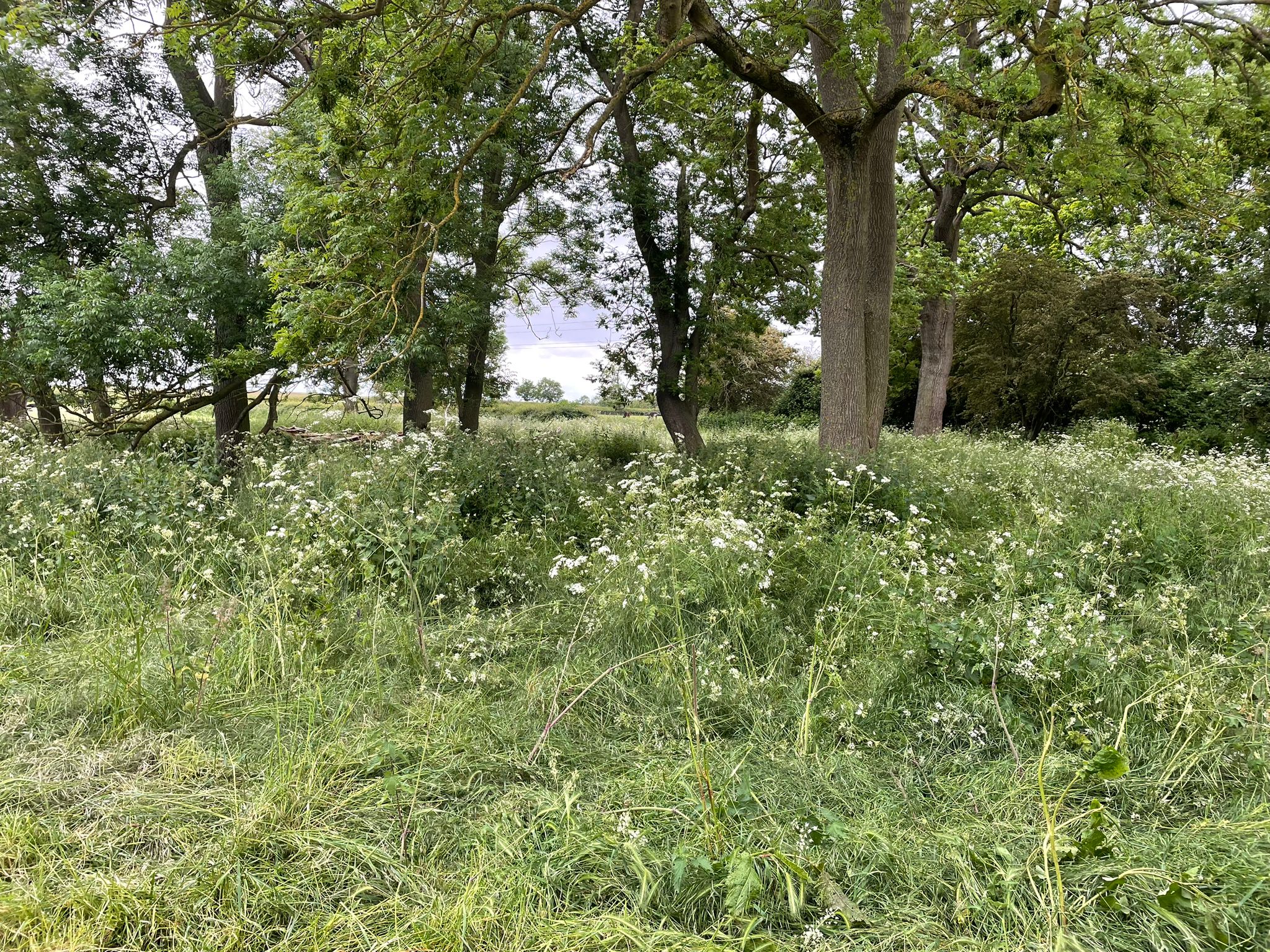
Here at the RAIN Project, in collaboration with our project partners, we have been busy working to implement a range of Natural Flood Management (NFM) measures across the Harpers Brook and Wootton Brook catchments in Northamptonshire.
The aim is to help reduce flood risks, while enhancing biodiversity, by implementing a range of innovative measures. With our project partners at our side, including the Nene Rivers Trust, 3Keel, parish councils, and landowners, we have progressed various initiatives to mitigate flood risks, and have many more in the pipeline for 2025.
Some examples of our current NFM projects, include:
- Penvale Park, East Hunsbury (Wootton Brook):
Penvale Park, a valued green space in East Hunsbury, has struggled with flooding that affected local homes and gardens. Several interventions were designed to manage and contain floodwaters effectively. These include the installation of a bund, reprofiling the land, enhancing drainage systems, and adding leaky dams.
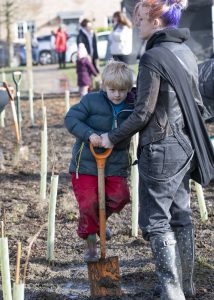
During recent heavy rains, these measures successfully retained water within designated areas, preventing damage to nearby properties. Moving forward, a community planting event—“Butterfly Bund”—is planned for early 2025, allowing residents and local schools to contribute to the park’s biodiversity and resilience efforts.


- Chase Park Farm (Wootton Brook):
Chase Park Farm, located near Horton village, was particularly vulnerable to flooding due to its expansive wetland areas. In collaboration with land managers, the RAIN Project has implemented landscape management improvements, converting arable land into a species-rich grassland and stopping fertiliser inputs to promote healthier soil.
New leaky dams and wetland scrapes have been introduced to slow water flow and create diverse habitats for wildlife. The initiative not only enhances flood resilience but also supports pollinators and other species, demonstrating a sustainable model of farming that aligns with flood mitigation efforts.

- Tree Planting at Oakley Vale (Harpers Brook):
At Oakley Vale, Corby, a new “Tiny Forest” was planted as part of a community Eco Day event. With 750 trees now growing in the Dunnock Road green space, this initiative not only enhances local biodiversity but also strengthens natural defences against surface water flooding.
Community members, including local Scouts, participated in planting activities and learned about the role trees play in reducing flood risk. The Tiny Forest will grow to become a valuable environmental asset, improving flood resilience and providing a green space for residents.


- Brigstock Wetlands (Harpers Brook):
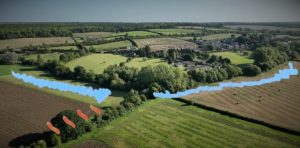
Adjacent to Brigstock Village Hall, a wetland project at Brigstock aims to alleviate the flooding caused by the Harpers Brook. Subject to planning approval, this comprehensive project will include the creation of a two-hectare floodplain meadow, the establishment of leaky dams, and habitat restoration.
This effort will provide a substantial floodwater retention area, helping to slow and manage water flow through the village. The final plans are currently being agreed with work to start imminently. Once completed, Brigstock Wetlands will offer both flood management and a thriving habitat for local flora and fauna.
We have funded and supported a move to more regenerative agriculture practices in farms across Harpers and Wootton catchments, this includes hectares of cover cropping, meadow planting, green fencing and tree planting.
What’s Next?
We have had contracts signed to work on several large scale wetland and meandering works with feasibility studies being carried out presently across four farms. We have planted over 1000 trees in public open spaces across our catchments, with a further 1000 planned for the next planting season, this includes woodland regeneration and standard park and street trees in the public realm.
Ultimately, all of these projects demonstrate the RAIN Project’s commitment to sustainable flood resilience solutions and we extend our sincere thanks to our dedicated project partners and local landowners who have been instrumental in making these initiatives possible.
Updates on all of our nature-based projects – and how you can get involved – will be published soon; watch this space!
For more information, visit the RAIN Project website or reach out at RAIN@westnorthants.gov.uk.


More News Articles

What Rush Meadow Ponds can teach us about resilience in dry weather
Wetlands are often discussed in relation to flooding: their ability to hold water within the landscape, slow its flow and reduce the pressure placed on communities downstream, however, their value does not disappear when the rain stops.

Defra visits Northants to see holistic flood resilience in action
Senior representatives from the Department for Environment, Food & Rural Affairs (Defra) have visited Brigstock in Northamptonshire to see first-hand how a holistic approach to flood resilience is helping communities become better prepared for future flooding.

The RAIN Flood Resilience ‘Jigsaw’
Flood resilience isn’t achieved through a single solution. Instead, it is built by bringing together a range of complementary approaches that work together, much like the pieces of a jigsaw.
Working in collaboration with


